


Introducing The Eastern Bloc
In honour of pilot-episode weirdness
Stalin was wrong about the Jews being rootless cosmopolitans but would have been right about me
Just go on the holiday, hon
Your problems will follow you there because of globalisation and inertia
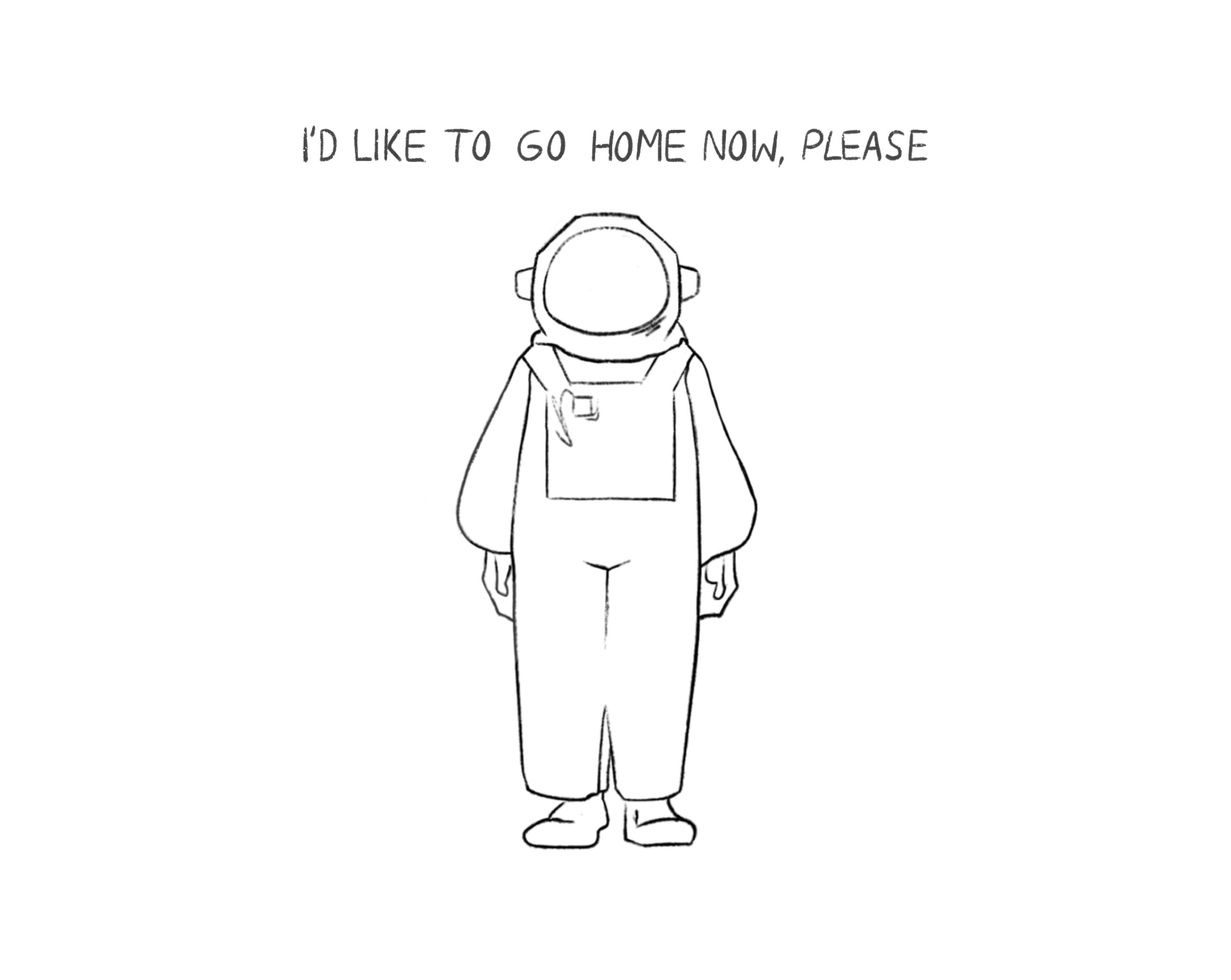
I arrive in Lanzarote a fugitive.
I’ve come to the island to recuperate, to get away from obligation and self-improvement; to think; to not think at all. In short, I’ve come for all the typical reasons people go on holiday, including the desire to get away from myself. A holiday destination belongs squarely in the category of so-called non-places (airports, hotel rooms, baggage reclaim halls) which render the visitor anonymous. This anonymity is the tourist industry’s de facto product. In the Canaries, you’re entitled to get mad if work tries to reach you, even if it’s about the HR violation.
People go on holiday for the same reason they seek out affairs: intimacy. (Not to be confused with why people have affairs on holiday, which is altogether different.) The holiday is an affair, minus the immorality (I saw what I saw—nobody else has to know.) This holidaymaker is seeking a heightened experience of sensuality—in the traditional meaning of heightened senses—which is why I gravitate to César Manrique’s house, where the artist is framed in nothing but speedos. (The photograph reminds me of my childhood. I text my dad.) “OK, but he was an artist, how did he get so rich? Artists don’t make money,” I tell my surf instructor (the one I don’t aggressively flirt with.) “It’s a small island, there’s a lot of corruption,” says the other (the one I do aggressively flirt with).
Truth be told, I did not want to pilot The Eastern Bloc with self-indulgent auto-fiction, a postcard from abroad from someone who ought to know better, but something bout Lanzarote, with its sense of place so thoroughly eroded by Jet2 customers on discounted holidays, struck a chord. Alienated from the self at a formative point, forever trying to claw back to the real, the island is the perfect backdrop to my last hurrah in Europe ahead of my nth relocation. As ever, it will be different this time. After the first—the big one that imparts the rest of one’s life with that inventory of oddities specific to first-generation immigrants—every next one is just a pinch.
There exists a global cohort of discontents like me. Their loyalty is to nothing and no one except their own identity crisis, their unease with themselves always in need of being framed as political. They go back home every couple of years only to remember they’ve become tourists.
They love going on holiday.
I pass a guy raising money for fentanyl testing on Smith Street but he gets my attention on the way back, says they’re fundraising to decriminalise the drug epidemic. OK, but that’s a spiritual problem, I want to tell him. You’re never going to solve it with policy. But I leave it, and I contribute anyway, because something is always better than nothing, except for all those times when it isn’t.
My next contribution is to Melbourne’s housing crisis. Every cosmopolitan city has its choice of outsourced cheap labour—a euphemism for man ethnic underclass, like the plumbers from Polska B in London circa 2010—who prove themselves more cost-effective in every metric, including accommodation sharing. The native population doesn’t rush to admit this, but it’s cause for resentment. Many of Melbourne’s most competitive rental areas are epicentres of progressive subculture best summed up by the Sodomise the West graffiti in Northcote (joke’s on them, the West is into that kind of thing). The more engaged residents could probably tackle housing if they organised around it as a core issue, but protesting isn’t about concrete goals anymore, so this group chooses to commune around keffiyehs and calling everyone in the out-group a fascist. They bond primarily over shared politics which are almost always an extension of aesthetics. Even their attempts at a counter-culture come across as conformist, from polyamorous house shares (fewer people are getting married and having kids, not because they don’t want to, but because it’s less attainable) to stipulations on the newcomer’s worldview for the sake of inclusion.
Some of the more avowed socialists are able to push to dismantle the status quo the hardest because of the safety net of generational wealth, should the progressive project fail. There’s nothing wrong with that, by the way, but that’s why they’re always against the 1 and not the 10%.
December 13, 1981, and tanks are deployed onto the streets of every major Polish city. The satellite government shuts down universities, and the students respond with protests. My dad wants to join, but my grandmother stops him because she’d rather her son be alive than heroic, she says.
I think about that more often than I realise, kind of like the words of the pilot from 7 Days in Entebbe. Running water makes you free. A plumber is worth 10 revolutionaries.
One of the unexpected casualties of frequent relocation is memory. It doesn’t entirely malfunction but becomes something else entirely, if not a catalogue of free associations. One evening reminds me of a brief stay in a kosher hotel in London and its two receptionists. Day Shift voted Labour; Night Shift refers to the Prime Minister as “Keir Stalin” and turns the TV in the lobby over to GB News as soon as he clocks in.
“It’s probably the right decision, leaving Europe for a while,” says Day Shift while tidying up the breakfast buffet.
“Because of the migrant crisis and the rise of Islam?” I paraphrase Night Shift.
“Because of the far-right and Ukraine.”
Before I leave London, I go out to dinner with a group of acquaintances. One is angered by another’s idea for a golden visa business and the implication that only the rich may flee.
“Everyone wants the best for their kids,” says the defendant, and no one can really argue with that.
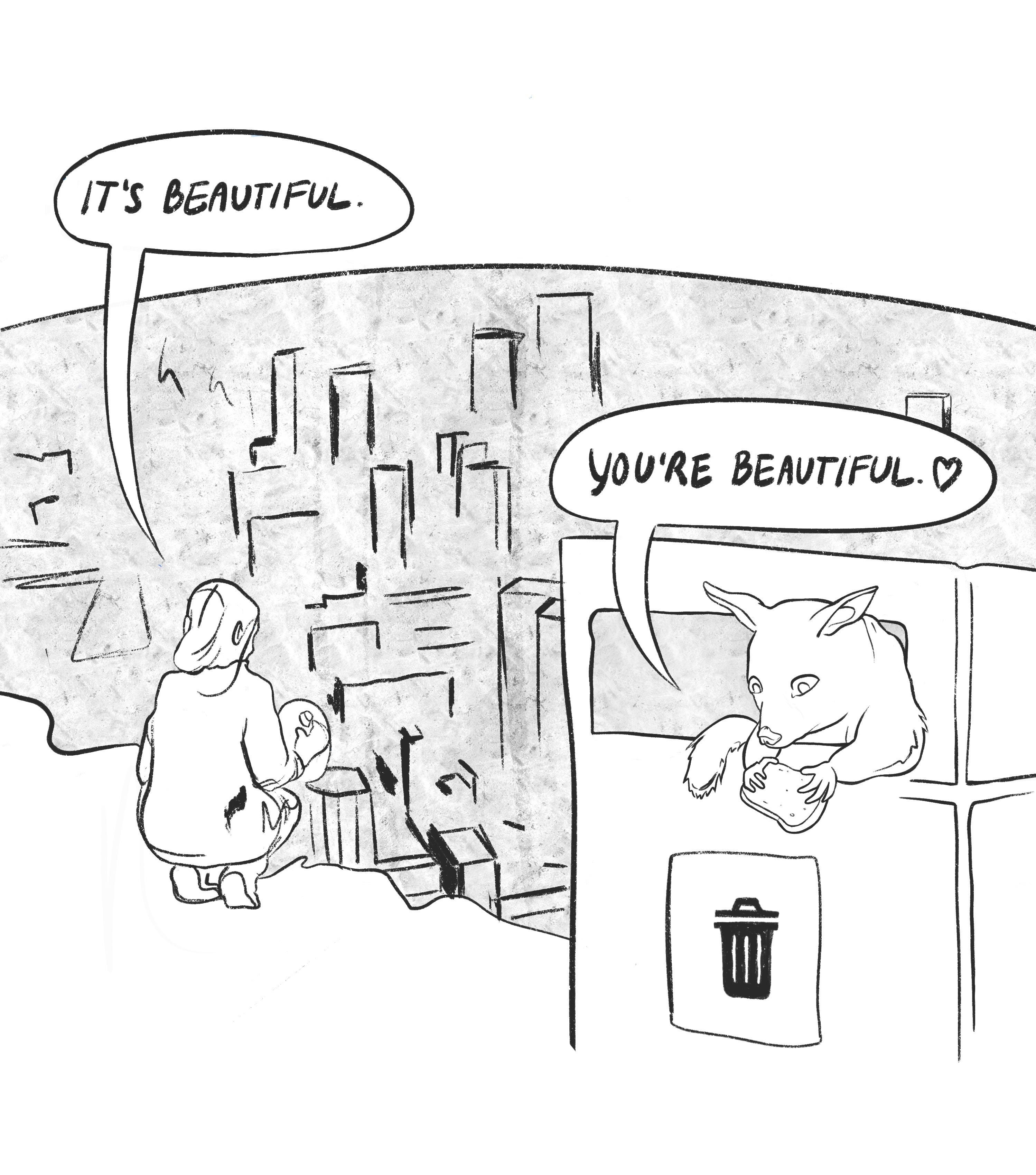
Back in Melbourne, summer gives way to autumn. The young (and not so young) revolutionaries demand that the colony will fall. It’s more accurate to say they’re quietly praying that it never happens, because if it did, then they might actually have to do something.